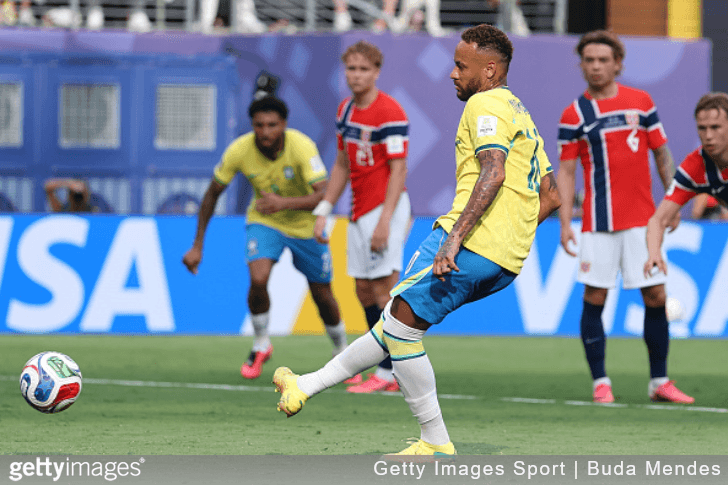
When will we stop seeing slow penalties?
The article discusses the poor penalty conversion rates at the 2026 World Cup, highlighting the ineffectiveness of the slow-kick technique, and suggests that players return to more traditional methods of taking penalties.
When will we stop seeing slow penalties?
According to Soccernews.
Context
Neymar, as one of the leading penalty takers, can influence changes in technique given his experience and achievements. His 'paradine' style has been refined, but ongoing conversion problems may force him to reconsider his approach to taking penalties at the highest level.
Why is this important
Low penalty conversion rates at the 2026 World Cup highlight the need to rethink execution techniques. This can affect the outcome of matches, especially in tense moments like finals where titles are on the line. With Neymar and other soccer stars using these methods, their effectiveness becomes critical for teams seeking success.
Key takeaways
- When will we stop seeing slow penalties?
- The article discusses the poor penalty conversion rates at the 2026 World Cup, highlighting the ineffectiveness of the slow-kick technique, and suggests that players return to more traditional methods of taking penalties.
- When Will We Stop Seeing Stutter-Step Penalties?.
The 2026 World Cup was a historic event, taking place across three continents with 48 teams participating. However, it will also be remembered not only for the historical moments, but also for the disappointments associated with taking penalties. A specific technique known as the "slow" shot has been criticized in this tournament. Players place the ball on the spot, take a few steps back and begin their approach. Then the first deceleration occurs: a short step followed by another. The player's eyes are focused on the goalkeeper, who remains motionless, but this only increases the pressure on the performer. As a result, when the player reaches the ball, the speed of the strike is not sufficient. This results in the goalkeeper expecting the penalty to be kicked into the corner to make a routine save. According to the latest Opta data, only 39 of the first 60 penalties at the tournament were converted, a rate of 65% - the lowest in 60 years at a World Cup.
While not all misses can be attributed to the slow kick technique, this championship demonstrated the growing weakness of a method that has become the standard for many footballers. The slow kick was originally intended as a way to force the goalkeeper to take the first step, allowing him to shoot into the opposite corner. The technique originates from the Brazilian "paradina", popularized by Pele and later perfected by Neymar. However, changes to penalty rules reduced the conversion significantly.Previously, the player could come to a complete stop and then continue running, but this is now prohibited and the run must be continuous.

As statistical studies have shown, modern goalkeepers are better prepared for such attacks. They have access to video and detailed information about every penalty taken against them. They know which players prefer to wait and which foot movements indicate the direction of the shot. Thus, many goalkeepers now remain in the center of the goal, allowing them to avoid reacting early to slow shots. This significantly changes the psychological battle between the performer and the goalkeeper. A successful strike requires clarity and confidence from the performer, which is often compromised when slowing down.
Typical mistakes with slow shots become obvious: unsuccessful attempts often result in shots that land between the center and corner of the goal, at a height convenient for the save. Examples of such failures in this tournament include Bruno Guimaraes' try against Norway and Justin Kluivert's post-match try against Morocco. In contrast, Khari Kane refused to slow down and scored in his second penalty against Croatia, highlighting the importance of a clear approach.
The slow shot technique has been shown to only work for a small number of players who have exceptional control and balance.Raul Jimenez, Cristiano Ronaldo, Neymar and Kylian Mbappe are those who have successfully used this method. However, for most players, especially those who rarely take penalties, this approach may be too difficult. The World Cup highlights that it may be worth getting back to basics: choosing an angle, running towards the ball and hitting it without hesitation. Despite the failures, slow strokes will not disappear as successful examples will support this technique, but players should reflect on the correctness of their choice.
What happens next
It is expected that players will begin to adapt to more traditional methods of taking penalties to improve their chances of success. Coaches may want to rethink their approaches to penalty kick preparation based on current trends. This could also impact future tournaments, including the World Championships, where shot accuracy will become increasingly important.
Frequently Asked Questions
What happened at the 2026 World Cup with penalties?
The 2026 World Cup saw a low percentage of penalties taken, with only 39 of the first 60, representing 65% - the lowest in 60 years.
Who confirmed the criticism of the slow strike?
Criticism of the slow kick is based on statistics provided by Opta, as well as observations of penalty kicks taken at the tournament.
Why is the slow strike technique being discussed now?
The discussion of the slow kick technique has become relevant due to the low penalty conversion at the 2026 World Cup and changes in the rules for taking penalties.
What changes have occurred in the penalty kick rules?
Changes to the rules now prohibit players from stopping completely before taking a shot, which affects penalty technique.
How is slow-motion related to Neymar and Pele?
The slow shot was popularized by Pele and perfected by Neymar, and was originally conceived as a way to force the goalkeeper to make the first move.
Similar articles
- Ken Bates: a bright, controversial and significant personality
- Rangers can release the 27-year-old player on loan: correct
- What the England team at Euro 2028 under leadership might look like
Similar articles
Related News
All News →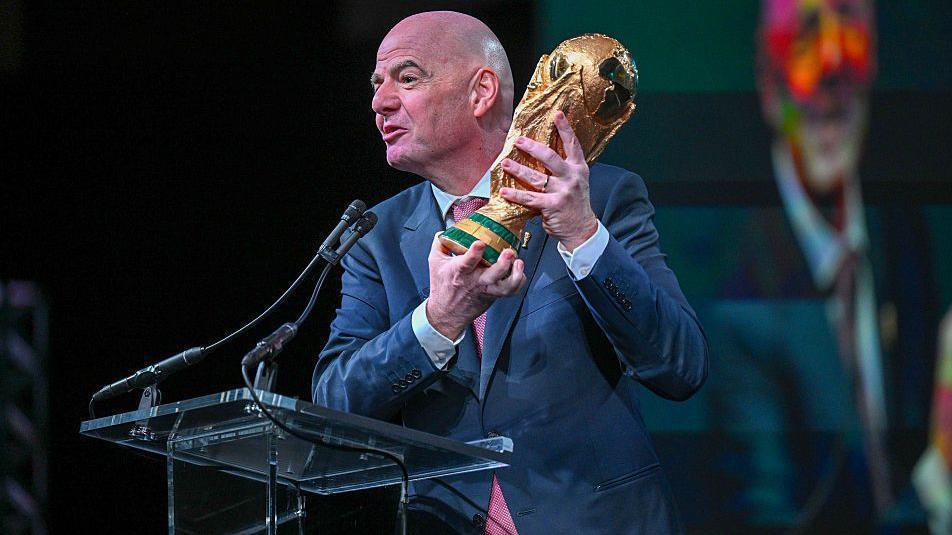
World Cup 2026: can Gianni Infantino host the tournament with 64
Статья обсуждает возможное расширение Чемпионата мира по футболу до 64 команд под руководством президента FIFA Джанни Инфантино, рассматривая последствия для конкуренции, логистики и финансов.

Why did the judge at the World Championship drink cucumber pickle?
Судья Феликс Цвайер упал с судорогой во время матча США-Аustrалия на чемпионате мира и получил рассол из огурцов для быстрого восстановления, что подчеркивает его использование в спорте для восстановления мышц.
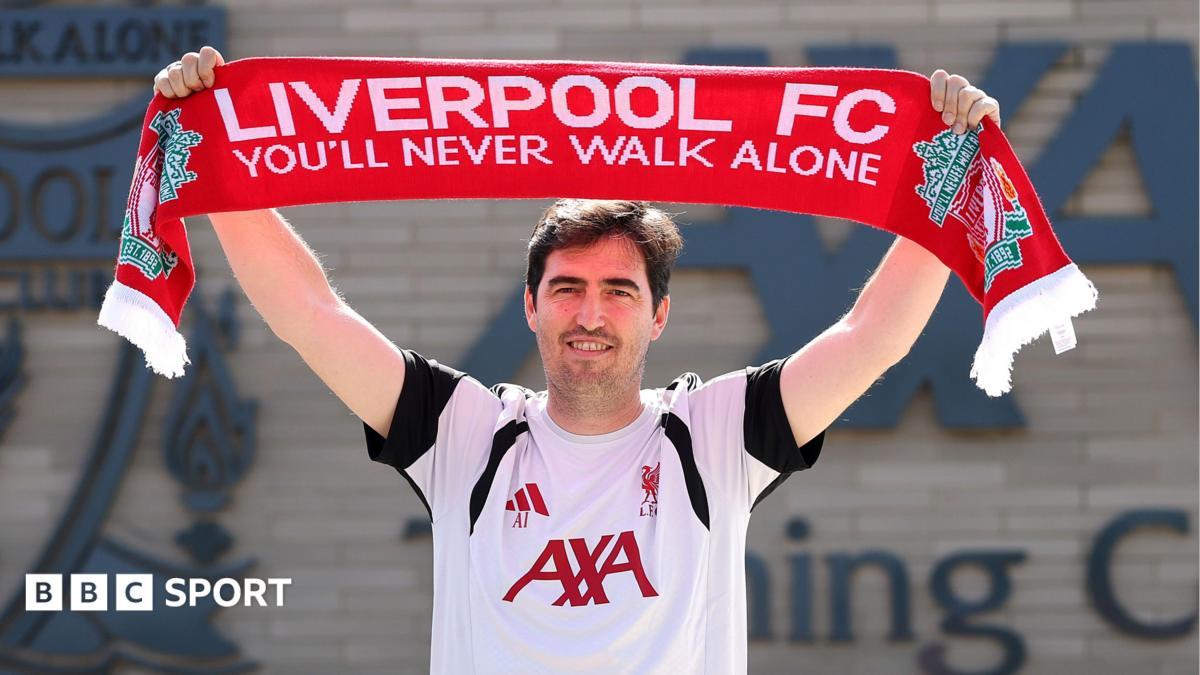
Andoni Iraola: Liverpool head coach wants to create a team
Андони Ираола, новый главный тренер Ливерпуля, стремится создать команду, которая сможет вдохновить фанатов, подчеркивая важность связи с болельщиками и динамичного игрового стиля.
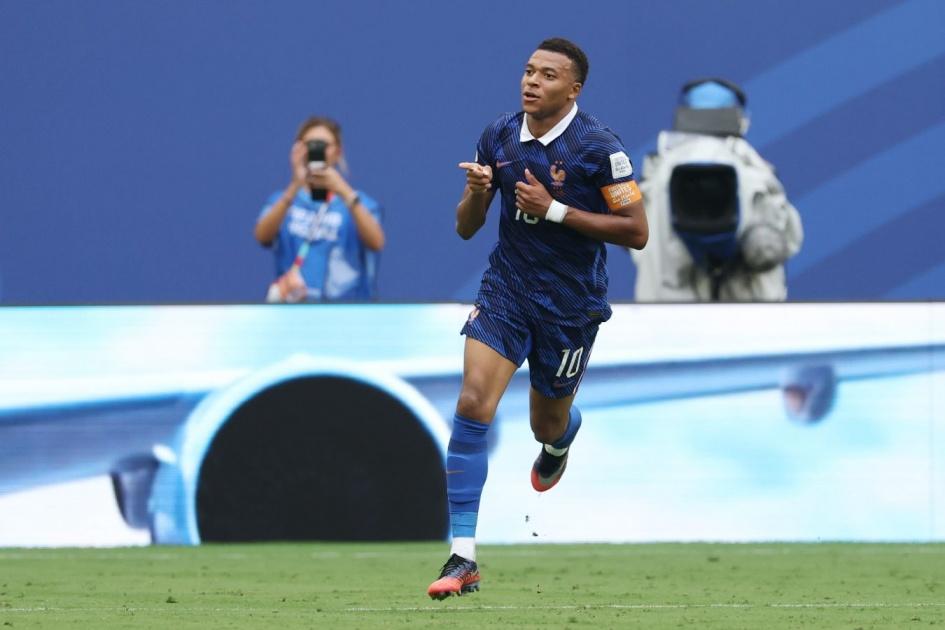
The main thing from the 2026 World Cup on July 19: Mbappe broke Messi's record, bronze
Килиан Мбаппе стал лучшим бомбардиром в истории чемпионатов мира, побив рекорд Лионеля Месси, а сборная Англии впервые выиграла бронзу на мировом первенстве.