2026 World Cup: VAR will not be used to evaluate simulations
UEFA has clarified that VAR will not be used to review simulation incidents as mistaken identity, in response to its use during the 2026 World Cup. This decision is intended to prevent confusion and maintain consistency in judging across all tournaments.
2026 World Cup: VAR will not be used to evaluate simulations
According to Bbc.
Context
The incident with Brel Embolo was a key moment in the match against Argentina, where his sending off influenced the outcome of the match. Embolo, who has been an important figure for the Swiss national team, must now take into account the new VAR rules to avoid similar situations in the future.
Why is this important
UEFA's decision not to use VAR to evaluate simulations highlights the importance of consistency in refereeing at international tournaments such as the 2026 World Cup. This could impact teams' season forecasts as players will be more careful in their actions to avoid unnecessary cards. At the same time, this decision may cause controversy among fans and experts who expect stricter control over simulations.
Key takeaways
- 2026 World Cup: VAR will not be used to evaluate simulations.
- UEFA has clarified that VAR will not be used to review simulation incidents as mistaken identity, in response to its use during the 2026 World Cup.
- World Cup 2026: VAR will not be used for diving in Uefa competitions - BBC Sport.
UEFA has informed its video assistant judges (VARs) that they should not treat possible simulations as a case of mistaken identity, as was the case at the 2026 World Cup. The International Football Association (IFAB) has made changes to the VAR protocol, which came into force this summer. VAR can now intervene to change a yellow or red card if the referee has incorrectly identified which team player committed the offence. The rule was activated twice at the World Cup, most notably to overturn the yellow card given to USA defender Tim Rome and replace it with Paraguayan Miguel Almiron's card for simulation.
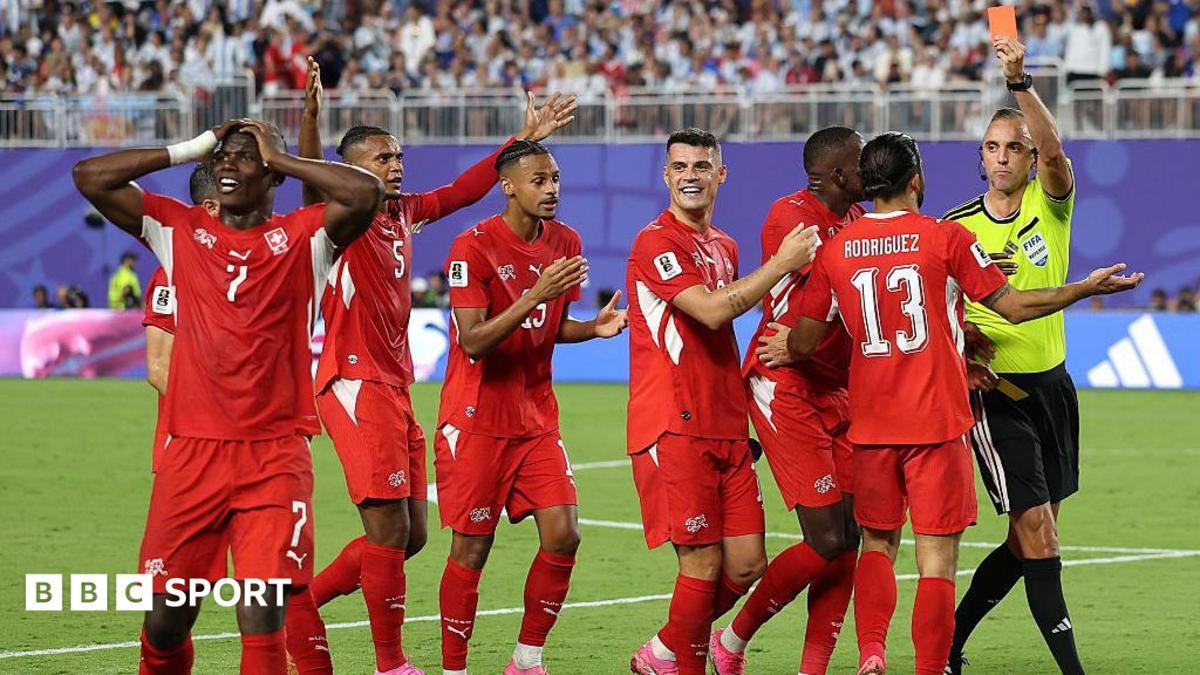
More controversial was the case of Swiss striker Brel Embolo, who was sent off in the 72nd minute of the quarter-final match against Argentina. Leandro Paredes was booked for foul play, but it was determined that the Swiss striker had initiated the contact. Since Embolo already had one yellow card, after a VAR review he received a second yellow card and was sent off. The decision came just five minutes after Switzerland had leveled the match at 1-1, leaving Argentina to win 3-1 after extra time.
VAR's decisions on Almiron and Embolo were popular with many viewers who felt it showed a commitment to tackling simulation.However, BBC Sport spoke to several domestic league teams who said the use of mistaken identity for simulation had not previously been discussed and was a complete surprise. There were concerns about the potential impact at club level. One league in particular expressed the view that this could cause "chaos" as every yellow card would be subject to review for possible simulation.
In addition, other concerns have been raised about the added pressure on judges when making their initial decisions. This would create a two-tier system where a simulation could only be reviewed if a yellow card was shown. If a team concedes a goal from a corner where the opposition exaggerated the contact but the card was not shown, there will certainly be more debate about the role of VAR. It will also be difficult to achieve uniformity in what is considered overt simulation.
As referees gathered for matches in the first qualifying rounds of European competition this week, UEFA instructed its VARs to only use the new rule in cases of true mistaken identity. During briefings ahead of the World Cup, Pierluigi Collina, FIFA's head of referees, cited an example from the Euro 2016 final.Referee Mark Clattenburg awarded a free kick to Portugal on the edge of the penalty area, with France defender Laurent Coscielny booked for handball, although Portugal striker Eder did so. In this case, FIFA said VAR could have intervened and awarded a free kick in favor of France. Throughout the build-up and press conferences for months, there was no mention of simulations—even though that was the most obvious intended use, if any.
UEFA considers that mistaken identity is a purely factual decision and does not require the referee to refer to a monitor. This should only apply to the same violation - handball, as in the example from Euro 2016. The change from a violation to a simulation requires a review of different, subjective violations, and, as in the cases of Almiron and Embolo, the referee must visit the screen. UEFA therefore believes that the simulation does not constitute a case of mistaken identity. Since VAR can now intervene on incorrect second yellow cards, it would be possible to penalize simulation if the offending player was sent off for two bookings. Simulation may also be penalized if it results in an illegal direct red card or penalty. UEFA will check for illegal corners but, unlike the World Cup, this will not include potential offsides in the attacking formation and will only concern the last touch.The European Football Union has already rejected the possibility of intervening to award red cards if a player covers his mouth in a confrontation, with Almiron and Ecuadorian Piero Jincapie sent off for this at the World Cup. The chief referees of UEFA's 54 member countries are due to meet at a summit next week to discuss all aspects of the use of VAR. Mistaken identity will be one of the issues discussed and BBC Sport has learned that domestic leagues are likely to follow UEFA's lead and only use it for factual review. IFAB was not prepared to discuss the interpretation of the law when contacted.
What happens next
With the new rules, teams such as Switzerland and Argentina must adapt to the changed judging conditions. This is expected to influence teams' tactics in upcoming matches, especially in the context of UEFA competitions. It will be important to monitor how these changes affect team performance in the future, especially with the upcoming World Cup 2026 matches.
Frequently Asked Questions
What was the result of the match between Switzerland and Argentina?
Argentina beat Switzerland 3-1 after extra time.
How did Brela Embolo's removal affect the match?
Brel Embolo was sent off in the 72nd minute, after which Argentina were able to score two goals and win the match.
What impact did VAR decisions have on the Switzerland v Argentina match?
VAR decisions led to Brela Embolo being sent off and Tim Ream's yellow card being overturned, changing the course of the match.
When is the next match between Switzerland and Argentina?
Information about the next match between Switzerland and Argentina is not provided in the article.
How will changes to the VAR protocol affect UEFA competitions?
Changes to the VAR protocol will prevent simulations from being treated as mistaken identities, which could influence referee decisions in the future.
Similar articles
- World Cup 2026 coverage
- World Cup 2026 coverage
- FIFA condemns racist abuse against IShowSpeed at match
- Paolo Rossi's three goals in the match against Brazil: the legend begins on July 5
- Joe Hart on Paraguay: “An absolute disgrace, I would have walked my mates off the pitch”
Similar articles
Similar articles
Частые вопросы
Какой был итог матча Швейцария против Аргентины?
Аргентина выиграла у Швейцарии со счетом 3-1 после дополнительного времени.
Как удаление Брела Эмболо повлияло на матч?
Удаление Брела Эмболо произошло на 72-й минуте, после чего Аргентина смогла забить два гола и выиграть матч.
Какое влияние имели решения VAR на матч Швейцария против Аргентины?
Решения VAR привели к удалению Брела Эмболо и отмене желтой карточки для Тима Рима, что изменило ход матча.
Когда пройдет следующий матч Швейцарии и Аргентины?
Информация о следующем матче Швейцарии и Аргентины в статье не указана.
Как изменения в протоколе VAR повлияют на соревнования УЕФА?
Изменения в протоколе VAR не позволят рассматривать симуляции как ошибочную идентификацию, что может повлиять на решения судей в будущем.
What is the next fixture to watch?
Fans should follow the involved clubs' upcoming schedules as coaches react to this result in their preparation.
Related News
All News →
Rafinia: This loss should not affect El Clasico
Рафиния, звезда Барселоны, отреагировал на поражение от Пари Сен-Жермен и выразил уверенность, что это не скажется на предстоящем Эль Класико.
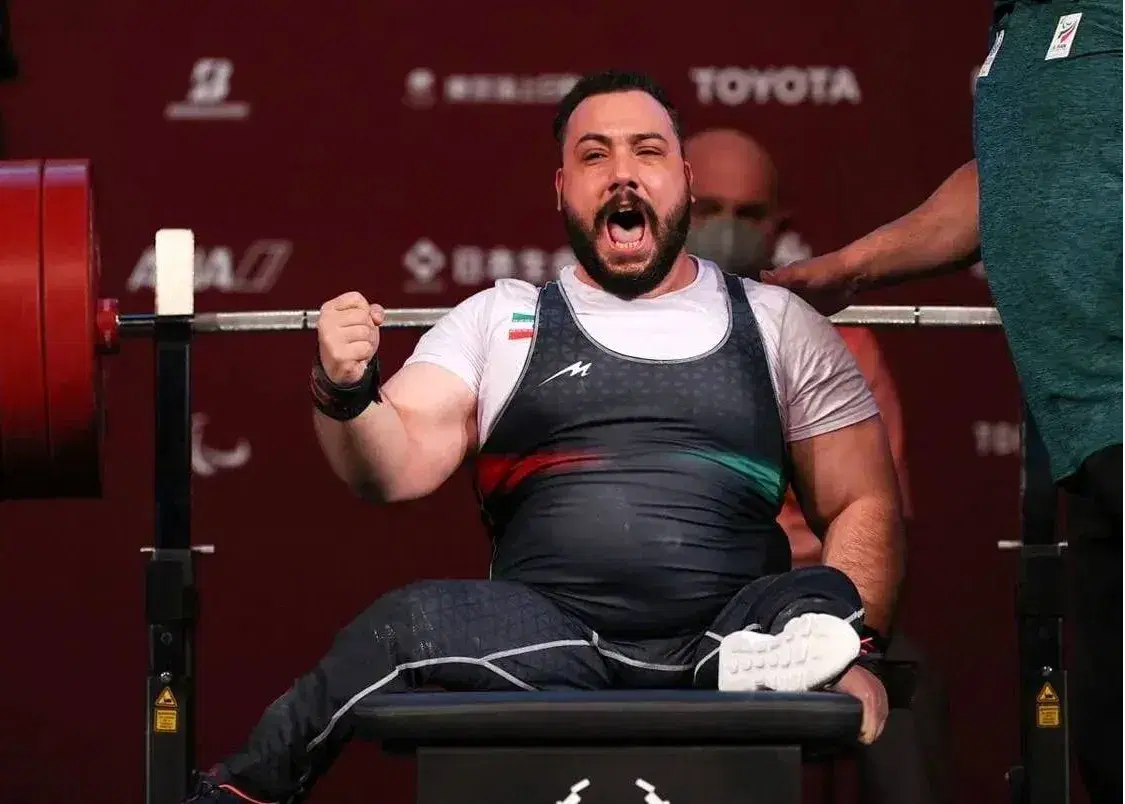
Moment by moment from Nagoya: Iran's flagship enters
Иранская команда в третий день Параазиатских игр стремится к новым золотым медалям, а спортсмены выступают в различных дисциплинах.

Arteta dismisses criticism of Arsenal's lackluster performance
Микель Артета и Давид Рая защитили стиль игры Арсенала, отметив прогресс команды перед важным матчем с Баварией в Лиге чемпионов.
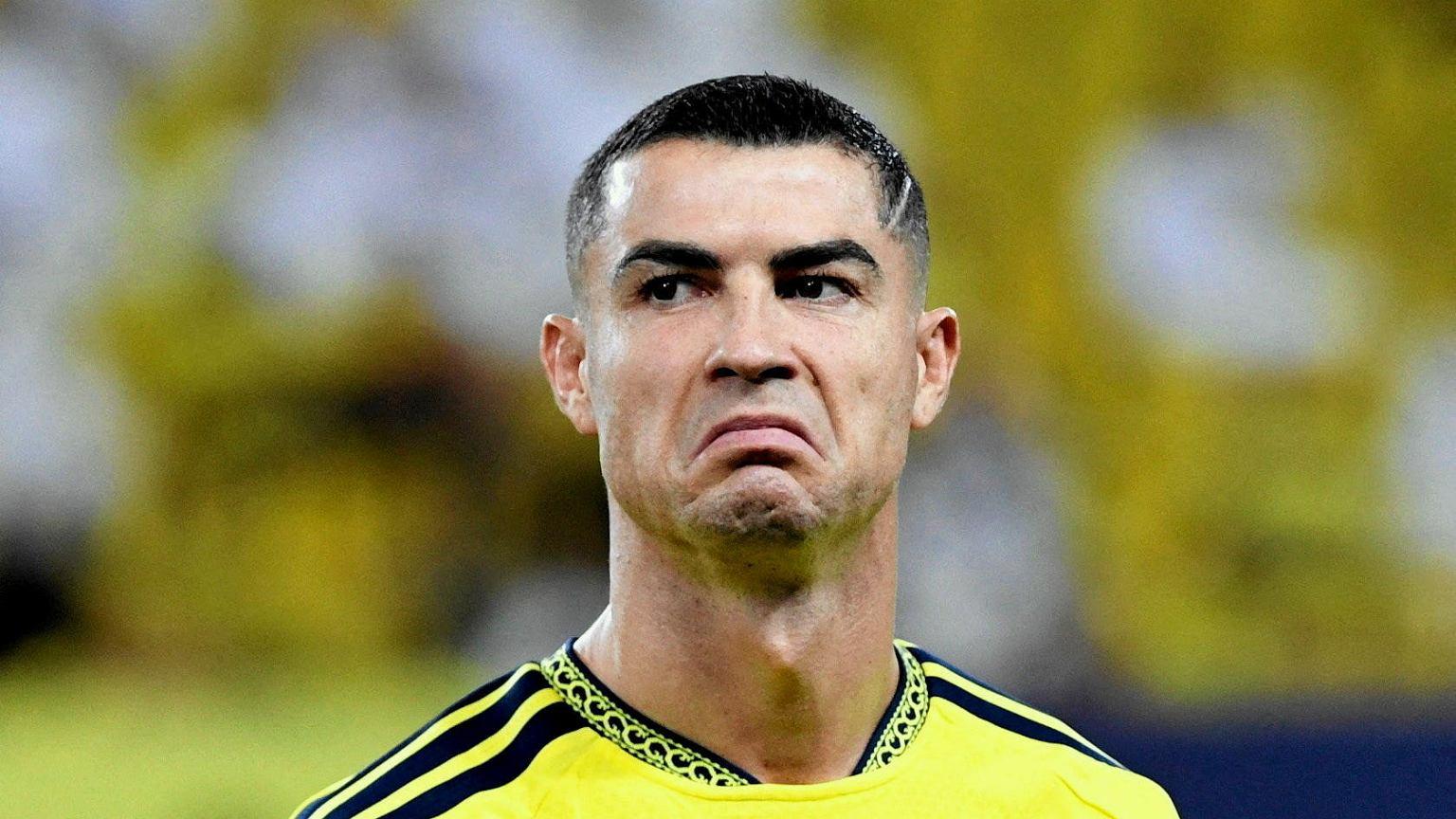
Erik ten Hag: "Cristiano Ronaldo let the team and me down"
Эрик тен Хаг, экс-тренер "Манчестер Юнайтед", раскритиковал Криштиану Роналду за его физическую форму и поведение на тренировках, что стало причиной разрыва контракта.