
World Cup 2026: More matches and more controversy - how the tournament went
The 2026 World Cup in the United States, Canada and Mexico was the biggest in history, but not without scandals and controversies related to high ticket prices and political interference.
World Cup 2026: More matches and more controversy - how the tournament went
According to Bbc.
Context
Gianni Infantino, FIFA President, is actively promoting ideas for expanding tournaments and improving their organization. His ambitious announcements for the 2026 World Cup highlight the importance of the event to the global football community. Infantino also faces criticism that calls into question his management approach and FIFA's future initiatives.
Why is this important
The 2026 World Cup was a landmark event for FIFA, showcasing both the tournament's expansion to 48 teams and new rules such as mandatory hydration breaks. However, high ticket prices and political controversy, including intervention by the US President, have drawn attention to the tournament's organization and reception. This raises questions about the future of the championship format and its impact on the popularity of football around the world.
Key takeaways
- World Cup 2026: More matches and more controversy - how the tournament went.
- The 2026 World Cup in the USA, Canada and Mexico was the largest in history, but not without scandals and controversies related to high ticket prices and political interference.
- World Cup 2026: More games and more controversy - how the World Cup played out - BBC Sport.
FIFA President Gianni Infantino said the 2026 World Cup will be "the greatest event in human history." He compared the tournament to 104 Super Bowls in one month. This bold statement raises questions: has it been justified? For the first time in the history of the tournament, 48 teams are taking part, among which Curacao, Cape Verde, Jordan and Uzbekistan made their debuts. However, has the quality of the tournament increased?
Innovations such as three minutes of mandatory hydration breaks, regardless of conditions, allowed broadcasters to make money from advertising. High ticket prices have caused much dissatisfaction, but have they affected attendance at matches? The politicization of the tournament began even before it began, with visa issues and Iran's involvement becoming topics of discussion, and US President Donald Trump's intervention in the Florian Balogun red card case attracting attention.
The head of FIFA referees, Pierluigi Collina, began to fight against the delay and introduced a number of changes to the rules. But did this bring real results? This is the story of the World Cup. Is it really worth expanding the tournament?
In terms of storylines and vibrancy, the group stage was a success. Debutants such as Cape Verde brought a lot to the table. The small archipelago country of just 530,000 people surprised by winning draws with Spain and Uruguay, as well as Saudi Arabia.Curacao, despite being defeated 1:7 by Germany, managed to surprise by drawing with Ecuador. And DR Congo managed to achieve a draw with Portugal and leave the group. Without these stories, the group stage could have been quite boring, as the top teams would have had no trouble dealing with their opponents.
Seventy-two matches - more than in any other World Cup - resulted in only 16 teams being eliminated from the tournament. This was compounded by FIFA using head-to-head matches as the first criterion to determine results in the event of a tie. The four third-placed teams advanced, allowing Australia and Paraguay, as well as Austria and Algeria, to draw and both teams to progress to the next round.
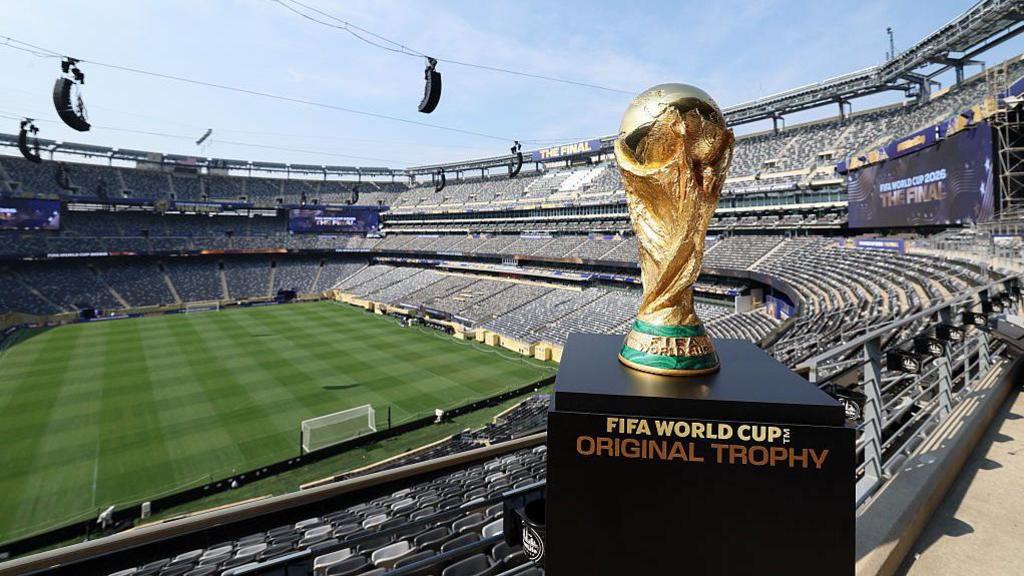
The drama only began in the playoffs, where Cape Verde managed to take the match with Argentina to extra time, but they lost 2:3. This meant that the African team was unbeaten in 90 minutes against both finalists. Without the expansion of the tournament, Cape Verde would not have been able to compete in the championship, and the story of 40-year-old goalkeeper Vozigny, who inspired Cape Verde's historic debut, would have remained unknown.
FIFA's new seeding policy also had an impact on the final. The organization sought to avoid early meetings of the strongest countries.Argentina, England, France and Spain were given special status which saw them placed in different quarters of the draw.
In the end, they all reached the semi-finals, but with one twist: FIFA wanted to make sure that Argentina and Spain only met in the final. To achieve this, Argentina were moved into Group J and France into Group I. This change avoided England and France meeting in the semi-finals, and Argentina and Spain in the round of 16.
Hydration breaks were also discussed, which FIFA said were introduced to protect the health of players. However, they brought a lot of inconvenience to the spectators, as fans began to express dissatisfaction with the stoppages. Experts reported that the average cost of an advertising slot on Fox Sports in the United States during the championship period ranged from 200 to 750 thousand dollars, depending on the significance of the matches. These breaks effectively became tactical timeouts, allowing coaches to make changes to the game.
There were also questions about VAR's performance. During the group stage, the system worked without serious problems, but disagreements arose in the playoffs. For example, the Egyptian Football Federation called for an investigation after a controversial goal was disallowed by VAR.
As a result, the 2026 World Cup has become not only a sporting event, but also an arena for discussions about politics, rules and innovations. There are new challenges ahead for FIFA and future tournaments.
What happens next
After the tournament ends, FIFA, under the leadership of Gianni Infantino, will likely conduct an analysis of the results and feedback to determine how to improve future championships. Discussions about possible changes to the format and rules may become relevant, especially in light of criticism related to the quality of matches and ticket availability. Attention will also be paid to how the experience of the 2026 World Cup will influence preparations for future tournaments.
Frequently Asked Questions
What did Gianni Infantino say about the 2026 World Cup?
Gianni Infantino said that the 2026 World Cup will be 'the greatest event in human history'.
Which teams debuted at the 2026 World Cup?
Teams from Curacao, Cape Verde, Jordan and Uzbekistan made their debut at the 2026 World Cup.
Why was there controversy surrounding the tournament?
The controversy arose due to high ticket prices, visa problems and the politicization of the tournament, including the intervention of US President Donald Trump.
What changes were introduced to the rules of judging at the tournament?
The head of FIFA referees, Pierluigi Collina, began to fight against delaying time and introduced a number of changes to the rules.
How many matches took place at the 2026 World Cup?
The 2026 World Cup featured 72 matches, which is more than any other World Cup.
Similar articles
- 2026 World Cup, results, June 20 - Championship
- You see the moment Kane scores - BBC Sport
- The 2026 World Cup matches in the USA, Canada and Mexico were attended by more than 5 million spectators
- Hisense presents the concept of “Innovating Vibrant Life” at the 2026 FIFA World Cup
- Three own goals were scored at the 2026 World Cup - more than in the entire tournament in 2022
Частые вопросы
Что заявил Джанни Инфантино о Чемпионате мира 2026?
Джанни Инфантино заявил, что Чемпионат мира 2026 года станет 'самым грандиозным событием в истории человечества'.
Какие команды дебютировали на Чемпионате мира 2026?
На Чемпионате мира 2026 дебютировали команды Кюрасао, Кабо-Верде, Иордании и Узбекистана.
Почему возникли споры вокруг турнира?
Споры возникли из-за высоких цен на билеты, проблем с визами и политизации турнира, включая вмешательство президента США Дональда Трампа.
Какие изменения были введены в правила судейства на турнире?
Глава судей FIFA Пьерлуиджи Коллина начал борьбу с затягиванием времени и ввёл ряд изменений в правила.
Сколько матчей прошло на Чемпионате мира 2026?
На Чемпионате мира 2026 прошло 72 матча, что является больше, чем в любом другом чемпионате мира.
What happened in this story?
Чемпионат мира 2026: Больше матчей и больше споров — как прошёл турнир summarizes the main development covered in this report.
Who confirmed this news?
See the source attribution in the article for where this report was first published or corroborated.
Related News
All News →
Main events of the eighth round of the English Premier League
Обзор основных событий восьмого тура английской Премьер-лиги, включая возможные изменения в Манчестер Юнайтед, возвращение Арсенала к стандартам и проблемы Манчестер Сити.
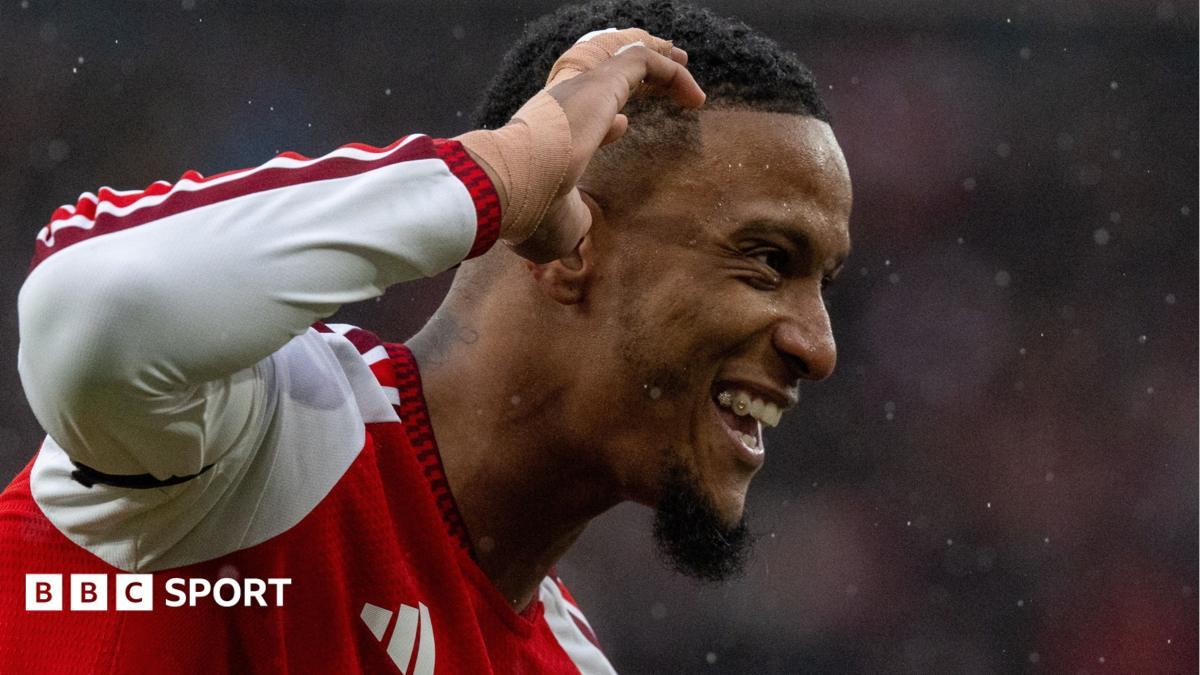
Ezri Konsa: No problem without William Saliba, new defender
Эзри Конса уверенно заменил Уильяма Салибу в Арсенале, показывая отличные результаты и создавая надежную защитную пару с Габриэлем.

Kane wins Ballon d'Or amid Mbappe hype and
Гарри Кейн одержал победу в гонке за Золотой мяч 2026, в то время как Мбаппе и Ямал использовали медиа для продвижения своих шансов.

Arsenal were shocked by defeat from the fourth team
В Кубке Лиги Арсенал неожиданно уступил Fleetwood Town, проиграв в серии пенальти после ничейного результата в основное время. Это поражение стало настоящей сенсацией для клуба, который находится на 84 места выше своего соперника.