World Cup: Tactical analysis of the match France - Paraguay in the 1/8 finals
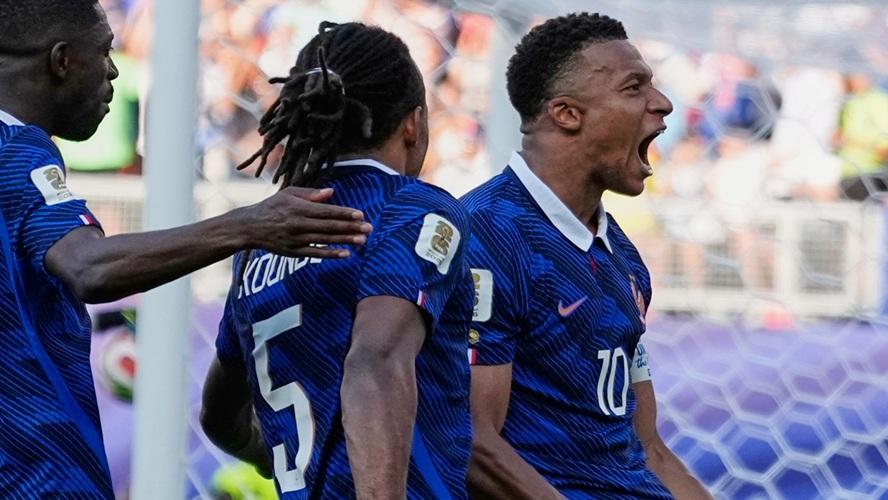
France beat Paraguay narrowly 1-0 in the last 16 of the World Cup, thanks to a penalty from Kylian Mbappe after a tactical battle against Paraguay's stout defence.
Global
France's 1-0 win over Paraguay in the World Cup round of 16 was not a remarkable performance. It was a tactical battle in which France had to unravel one of the toughest defenses of the tournament, while Paraguay tried to turn the game into a low-event context that could increase the chances of a sensation. Ultimately, Kylian Mbappe's penalty decided the match, but the score does not fully reflect how difficult it was for the French to counter Paraguay.### Paraguay's defensive formation
The starting lineups say a lot about Paraguay's intentions. Gustavo Alfaro deployed a 5-4-1 system, while France lined up in a 4-2-3-1 formation. Paraguay's goal was clear:
Defend with a back five.
Compress the central zones.
Do not give Mbappe the opportunity to attack behind the defenders.
Make France circulate the ball around the block rather than through it. This worked for long periods. FIFA Match Report noted that France had possession but struggled to break through Paraguay's disciplined defence, creating only a few significant chances in the first half. Paraguay was ready to cede territory. Their main concern was defending the area in front of goalkeeper Orlando Gill rather than possession. This approach had already helped them eliminate Germany in the tournament, and they tried to replicate that formula here.### France controlled the ball, but not the penalty area
France's problem in the first half was not possession. It was penetration. France circulated the ball confidently and continually pushed Paraguay deeper, but they struggled to gain access to the central areas between the lines. FIFA described their first-half efforts as mostly speculative attempts from distance. France's attacking structure largely revolved around:
Design as a central support.
Dembele and Barcola creating width and movement.
Michael Olise, moving inside from the right flank.
Manu Kone and Adrien Rabiot trying to push the ball through the middle. The problem was that Paraguay's compact 5-4-1 formation significantly reduced the space in the central channels. France enjoyed territorial dominance but rarely destabilized Paraguay's structure in the first 60 minutes.### Key Tactical Turn: Désiré Douet
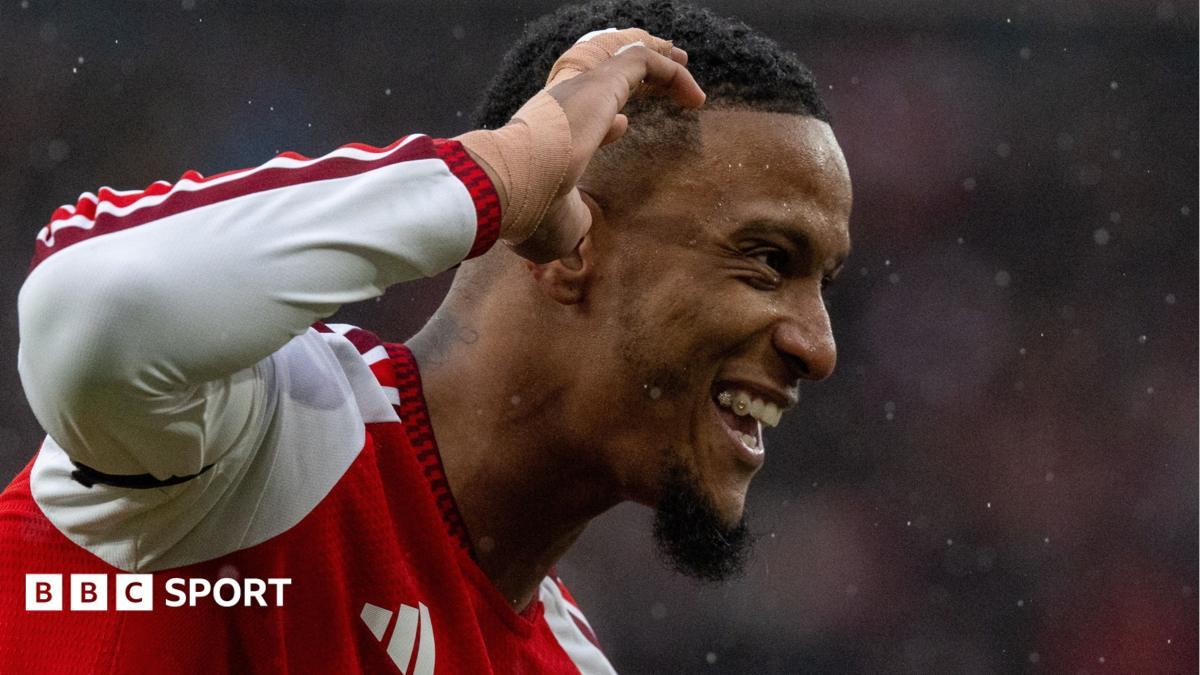
The match changed in the 61st minute when Deschamps brought on Désiré Douet for Bradley Barcola. It's difficult to say whether the latter's uncertain future has affected his performance, with interest from both Arsenal and Liverpool. This was certainly a decisive tactical change. Douje's presence on the pitch ultimately broke Paraguay's defensive strategy. Why? The 21-year-old Paris Saint-Germain winger provided what France was missing:
More direct dribbling in tight spaces.
Greater willingness to attack defenders one on one.
Increased movement between Paraguay's midfield and defense. Instead of circulating around the defensive block, France began to attack it. The decisive moment came less than ten minutes later when Douje's movement and dribbling led to a foul by Diego Gomez in the penalty area. After a VAR check, a penalty was awarded. Mbappé converted it and France finally took the lead in the 70th minuteImage### Why did Paraguay have problems after conceding a goal?
Paraguay's entire game strategy was based on controlling the defense. Finding themselves in the role of catching up, they were forced to find themselves in a situation that they tried to avoid. Several factors weakened their ability to respond:
Omar Alderete left the field due to injury.
Julio Encico was replaced.
Miguel Almiron left the match.
Diego Gomez, who was active in midfield, was substituted after the penalty. These changes disrupted the team's structure and reduced their ability to create pressure. Statistics confirm the problem. According to ESPN, Paraguay created only 0.15 expected goals and had just one shot on target throughout the match. Simply put, after France scored, Paraguay had no attacking machinery left to seriously threaten equality.### Managing the Defense of France
One of the most underrated elements of the game was the control of France's defense. Although the game looked tight due to the narrow scoreline, France rarely looked vulnerable. Paraguay created very little from the game and had difficulty advancing through France's midfield block. The central defensive pairing of Saliba and Upamecano had little trouble, while France's dominance of possession ensured Paraguay had long periods of defending rather than attacking. After France took the lead, Deschamps released Ryan Cherki and gradually began to place more emphasis on managing the game than taking further attacking risks. It was a mature performance in the elimination round, not an expansive one.### Outstanding performance from Orlando Gill
The score could have been more comfortable. Paraguay goalkeeper Orlando Gill was certainly one of the best players of the match and was voted FIFA Man of the Match. He made several key saves including:
Jumping save to keep the ball out of the net from Manu Kone.
Several late saves from Mbappe.
An amazing double save in stoppage time that prevented the score from 2-0. Without Gill, France could have decided the game much earlier.### Final grade
Tactically, it was a classic knockout match between the favorite and a highly organized underdog. Paraguay successfully slowed down the game, compressed the space and irritated France for over an hour. Their 5-4-1 unit functioned exactly as intended for long periods. However, elite teams usually only require one breakthrough chance, and France found it with the introduction of Désiré Douhet and the subsequent foul that led to a penalty. The match confirmed two important conclusions:
Paraguay remain one of the best organized defensive teams in the tournament and were much more competitive than the score alone suggests.
France have the patience, control and individual quality needed to survive tough knockout matches, even when they don't play to their full attacking potential. In tournaments, such ability is often the difference between challengers and champions.---## Related Articles1. Mbappé: Paraguay no quiso jugar al fútbol y demostramos cómo hacerlo