How Argentina's World Cup banner reignited controversy
Argentina's World Cup banner reignited the Falkland Islands controversy, becoming a cultural phenomenon and attracting the attention of a new generation.
How Argentina's World Cup banner reignited the controversy
According to Yahoo.
Context
Although Lionel Messi is an icon of Argentine football, in this context his image has faded into the background, giving way to the cultural phenomenon associated with the banner. This highlights how football can serve not only as a sport, but also as a means of expressing national sentiments and historical memory.
Why is this important
The Argentina national team banner at the World Cup has become a symbol not only of football triumph, but also of the renewed dispute over the Falkland Islands. This event attracted the attention of a new generation, which is now actively interested in the history and politics of its people. In the context of globalization and cultural exchange, such moments become important for the formation of identity and national consciousness.
Key takeaways
- How Argentina's World Cup banner reignited the controversy
- Argentina's World Cup banner reignited the Falkland Islands controversy, becoming a cultural phenomenon and attracting the attention of a new generation.
- How Argentina’s World Cup banner has reignited Falklands dispute for new generation.
The small archipelago, home to more sheep than people, has once again found itself in the global spotlight following Argentina's World Cup decision. After defeating England in the semi-final, Argentina's footballers unfurled a banner declaring the disputed ownership of the Falkland Islands, bringing the historic message to T-shirts, bedroom walls and Instagram for a new generation. In the weeks that followed, the most memorable image from the tournament in football-obsessed Argentina was not Lionel Messi, but a crudely colored poster that read: “The Malvinas are Argentine.”
The Falkland Islands, known in Argentina as the Malvinas, are disputed by both Argentina and Britain, which fought a 10-week war over the territorial dispute in 1982. The appearance of the banner caused a marketing boom throughout Argentina: its image began to appear on stickers, bags, sneakers, works of art and football T-shirts. It was hung in bars, painted on subway walls, and even tattooed on legs and arms. Thousands of Argentines downloaded the "Malvinas Sans" font, modeled after the banner's handwritten letters, while colorful murals depicting the islands and war veterans appeared across the country.
“The World Cup is over, but people are still talking about the Malvinas because somehow they became part of the World Cup,” said Edgardo Esteban, an author and veteran of the 1982 conflict. "Children in schools ask me: 'What are these Malvinas?'Now the baton is being passed on.'
None of Argentina's players were born when the country's military dictatorship invaded the Malvinas in 1982, holding the islands for 73 days before British troops recaptured them in a war that claimed the lives of 649 Argentines and 255 Britons. But they grew up in a country haunted by the humiliation of the failed intervention, widely seen as a desperate attempt at popularity by a weakened military regime that collapsed within a year.
As Argentina emerged from the trauma of a brutal dictatorship, many veterans and families of conscripts killed in the war felt their sacrifices were forgotten by a new democratic government seeking to distance itself from the disaster. “As veterans, we have long felt silenced, forgotten, relegated to the background,” Esteban added.

Earlier, another World Cup also broke this silence. When Argentina faced England in the 1986 quarter-finals in Mexico City, Argentine football legend Diego Maradona scored two goals - including his famous "Hand of God" - which he dedicated to the war dead, calling it revenge for the Malvinas.For decades, Argentina's claim to these islands has been enshrined in the constitution. Malvinas began to appear on road signs, and every year the country's leaders honor the memory of fallen soldiers by laying wreaths.
The islands, located 480 kilometers off the coast of Argentina, are home to approximately 3,600 people, about 450,000 sheep and more than 1 million penguins, according to government data. Before this year's semi-final against England, Argentina's security minister Alejandra Monteioliva warned fans that banners with the Malvinas theme would be banned from the stadium due to FIFA's ban on political messages. However, as the Argentine players celebrated their victory, fans threw what appeared to be a white sheet onto the field. Midfielder Giovani Lo Celso unfolded it to reveal a handwritten inscription in bold black letters: "Malvinas are Argentine." Teammates Cristiano Romero and Lisandro Martinez helped unfurl the banner in front of the cameras and cheering crowd of fans.
After the match, British politicians and fans expressed their displeasure on social media, increasing the level of criticism against Argentina and its national team. FIFA subsequently brought charges against the Argentine Football Federation for players displaying the banner. In Argentina, he became a sensation, for many eclipsing the dissatisfaction with the team's defeat to Spain in the final and the wave of hostile comments."Even though the team didn't win the tournament or take home a trophy, every player was greeted as a folk hero," said Juan Rattenbach, an Argentine political scientist on the Malvinas.
Ivan Marcassiano, 36, owner of a print shop in Buenos Aires, is struggling to keep up with explosive demand for T-shirts featuring players holding a banner. "The players showed courage by unfurling the flag on the field when fans were prohibited from bringing it into the stadium. This gesture, showing that ordinary Argentines must continue our demands, really resonated among the youth," Marcassiano explained. "They reached an audience that may never have participated in this kind of activity or historical remembrance before." When Marcassiano offered to print images on Argentina jerseys for free on Instagram, 3,500 people - from teenagers to military veterans - came to his store in one day.
It remains to be seen whether this Falklands boom will be a short-term fad or evidence of a long-term revival of a political idea. Activists are moving quickly to build on that momentum, calling for national sovereignty in opposition to President Javier Miley's free market agenda, including bills that would ease restrictions on foreign ownership of land in Argentina.But experts suggest the true political impact could extend beyond Argentina's borders, bringing to tens of millions of viewers around the world a dispute over a chain of islands that few could find on a map. Global searches for Malvinas increased 2,400 percent after Argentina's semi-final against England, according to Google Trends, the biggest increase in interest since the platform began tracking the data. “The UK strategy since 1982 has been to keep the Malvinas issue out of sight,” Rattenbach concluded. "Now no one can deny its visibility."
What happens next
The discussion about the Falkland Islands is likely to continue in Argentine society, especially among young people who are keen to learn more about their history. This may lead to new initiatives to preserve the memory of the 1982 conflict and its aftermath. We can also expect that football will continue to be a platform for discussing important social and political issues, as happened in the case of the banner.
Frequently Asked Questions
What happened to the Argentina national team banner at the World Cup?
After defeating England in the semi-finals, Argentine footballers unfurled a banner declaring the disputed ownership of the Falkland Islands.
Who confirmed that the banner became popular in Argentina?
Edgardo Esteban, an author and veteran of the 1982 conflict, noted that the banner became part of discussions about the Malvinas in Argentina.
Why are the Falkland Islands being discussed again now?
The appearance of the World Cup banner has renewed interest in the Falkland Islands among a new generation of Argentines.
What changes have occurred in Argentina since the appearance of the banner?
The banner image has become popular on stickers, bags, sneakers and even tattoos, as well as murals and the 'Malvinas Sans' font.
What does the banner mean for the new generation of Argentines?
The banner has become a symbol of transmitting the historical idea of the Malvinas to a new generation, raising questions among children in schools.
Similar articles
- Iraola about the plan for Wirtz, wingers on both flanks and the importance of Issac
- Referee appointments announced for the matches of the 2nd round of the RPL season 2026/2027
- Napoli increases interest in Chelsea defender Benoit Badiashile
Similar articles
Similar articles
Similar articles
Частые вопросы
Что произошло с баннером сборной Аргентины на чемпионате мира?
После победы над Англией в полуфинале аргентинские футболисты развернули баннер, заявляющий о спорной принадлежности Фолклендских островов.
Кто подтвердил, что баннер стал популярным в Аргентине?
Эдгардо Эстебан, автор и ветеран конфликта 1982 года, отметил, что баннер стал частью обсуждений о Мальвинах в Аргентине.
Почему сейчас снова обсуждают Фолклендские острова?
Появление баннера на чемпионате мира возобновило интерес к Фолклендским островам среди нового поколения аргентинцев.
Какие изменения произошли в Аргентине после появления баннера?
Изображение баннера стало популярным на наклейках, сумках, кроссовках и даже татуировках, а также появились фрески и шрифт 'Malvinas Sans'.
Какое значение имеет баннер для нового поколения аргентинцев?
Баннер стал символом передачи исторической идеи о Мальвинах новому поколению, вызывая вопросы у детей в школах.
What happened in this story?
Как баннер сборной Аргентины на чемпионате мира возобновил спор о summarizes the main development covered in this report.
Who confirmed this news?
See the source attribution in the article for where this report was first published or corroborated.
Related News
All News →
Mbappe left the French national team due to a ligament injury
Килиан Мбаппе покинул сборную Франции из-за травмы связок, полученной в матче Лиги наций против Турции, что повлияет на его участие в дальнейших матчах.
Liverpool urged to sign Premier League striker
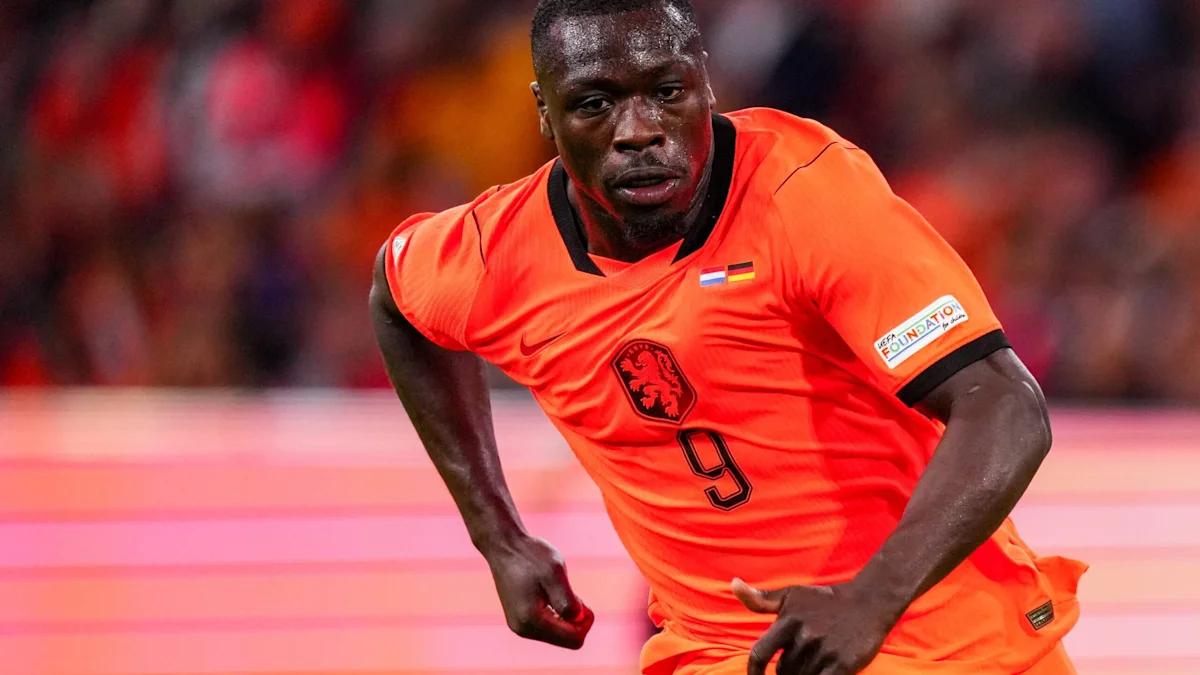
Брайан Бробби привлек внимание крупных клубов после выдающегося матча за Сандерленд, что поднимает вопросы о его возможном переходе в Ливерпуль, Арсенал или Манчестер Юнайтед.
Premier League clubs seek legal advice in Manchester case
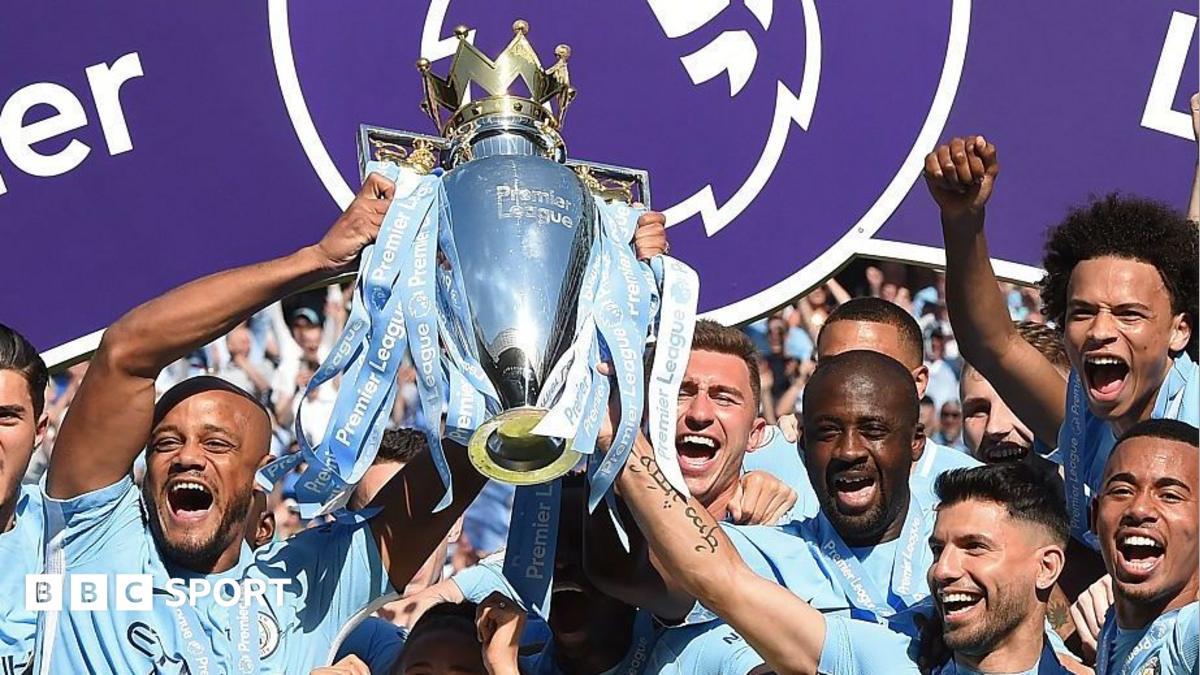
Клубы АПЛ изучают юридические возможности для подачи иска о компенсации после обвинения Манчестер Сити в нарушении финансовых правил, ожидая потенциальных санкций.

Injury situation in Serie B
Во время перерыва на национальные сборные мы рассмотрим ситуацию с травмами в Серии Б. Восемь игроков получили разрывы крестообразных связок, что создаёт серьезные проблемы для их команд.