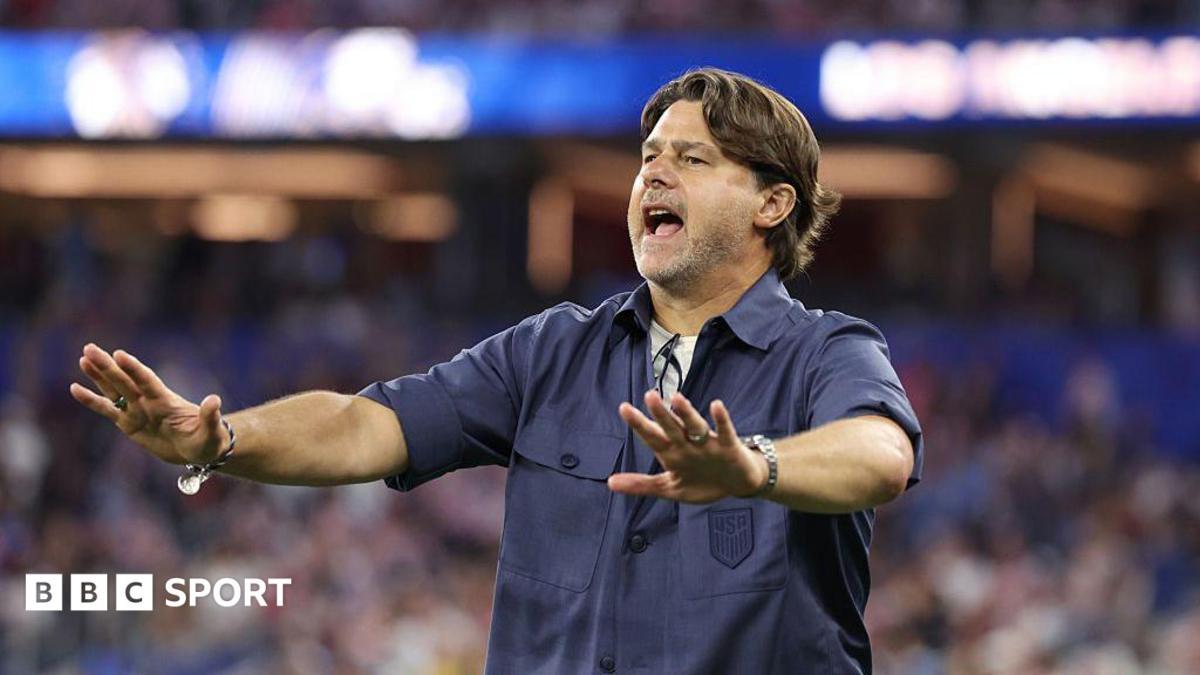
World Cup 2026: How Mauricio Pochettino's lithe midfielder allows Team USA to thrive
Mauricio Pochettino's World Cup side have adopted a flexible approach in midfield, allowing players to move freely and create space, which has led to a successful start to the tournament.
Over the past two seasons, many teams have stuck to a rigid structure in their quest to dominate the field. A very common attacking formation has become the 3-2-2-3 formation, which creates a 'box' in midfield - teams such as Manchester City, Chelsea and Arsenal have moved a defender into midfield to achieve this. At the World Cup, teams are willing to rethink this rigid structure with a more flexible approach with the ball, and one of the best examples of this has been the style of play of the USA team under Mauricio Pochettino. We analyze their unique approach, moves and intentions as they look to continue their successful World Cup start against Australia in Group D on Friday (20:00 BST).In the match against Paraguay, which ended in an impressive 4-1 USA victory, it was difficult to determine what tactics the team used. On paper, one could talk about a 4-2-3-1 formation with Sergino Dest as the right winger. However, once the USA gained possession, it was more like playing with three at the back, a fairly common tactic. US right-back Alex Freeman and centre-backs Chris Richards and Tim Ream formed a back three, with central midfielder Tyler Adams positioned in front of them. Left-back Antone Robinson moved higher and replicated Dest's more advanced role at the other end, both keeping along the touchline. Folarin Balogun remained high on the pitch in the forward position. Left winger Christian Pulisic moved centrally from the wing and occupied a central position alongside midfielders Malik Tillman and Weston McInney. 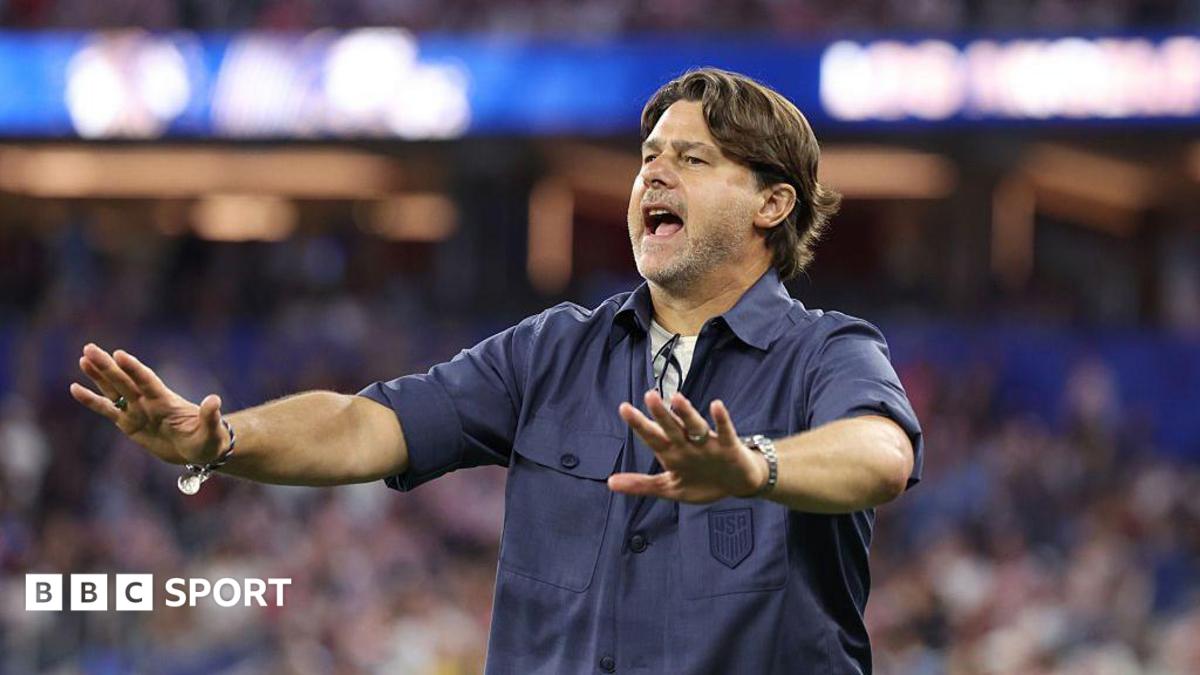
Related News
All News →
Gordon is disappointed: “We gave more ourselves than Spain
Антони Гордон высказал разочарование после поражения сборной Англии от Испании в Лиге наций, отметив, что команда сама упустила победу из-за ошибок в обороне.
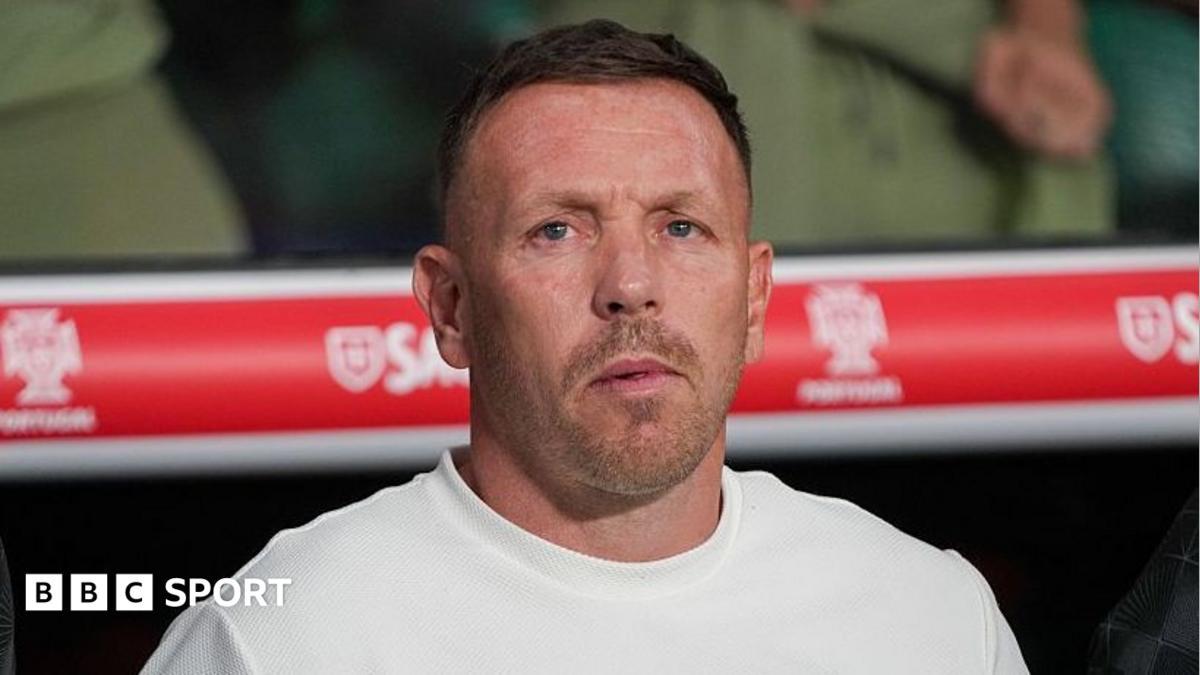
Nations League: Craig Bellamy sets his sights on new history
Крейг Беллами делится воспоминаниями о своих успехах против Дании и готовит Уэльс к важному матчу в Лиге наций в Копенгагене.

Manchester City fans react to infringement decision
Фанаты Манчестер Сити обсуждают последствия решения о финансовых нарушениях клуба, охваченные чувством шока и неопределенности.
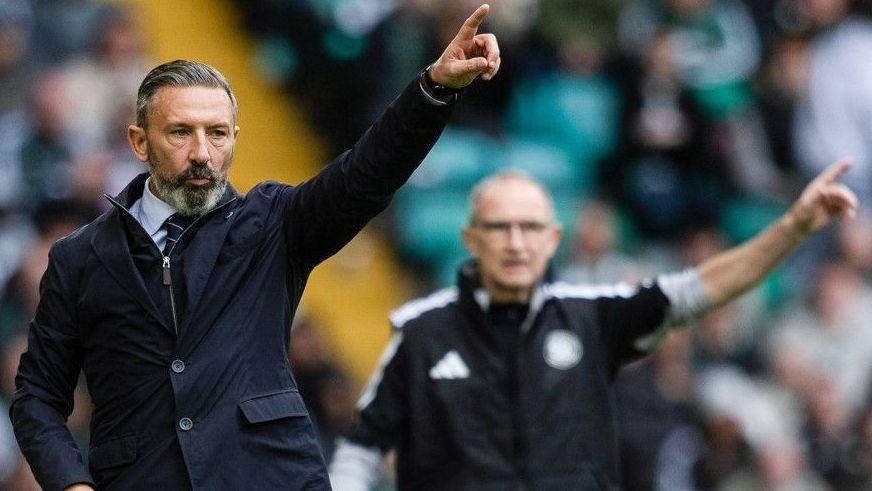
Derek McInnes: 100 days as Rangers manager
Дерек Макиннес анализирует свои первые 100 дней на посту тренера Рейнджерс, рассказывая о сложном старте и успешной серии побед, включая победы над соперниками из Селтика.